
Manufacturing Capabilities
State-of-the-art equipment and integrated design-to-production workflow
AI-Assisted Engineering
Our own AI system, developed in-house, prepares electrode designs and CNC programs. Every result is reviewed by an engineer and verified in Siemens NX before it reaches a machine.
See how the system worksMould Design & Engineering
Integrated CAD-CAM engineering with DFM analysis and mould-flow simulation on every project — including parting-surface optimisation for seamless, invisible-parting-line packaging.
Mould design, DFM and mould-flow analysisCNC Machining
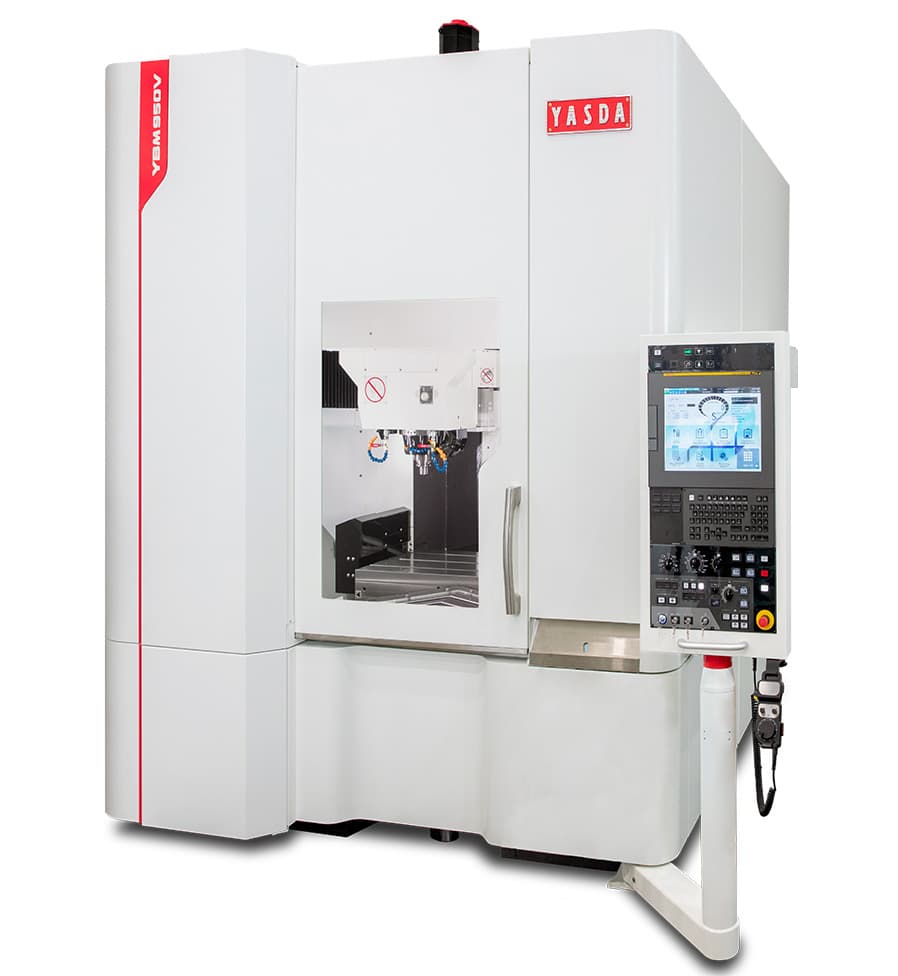
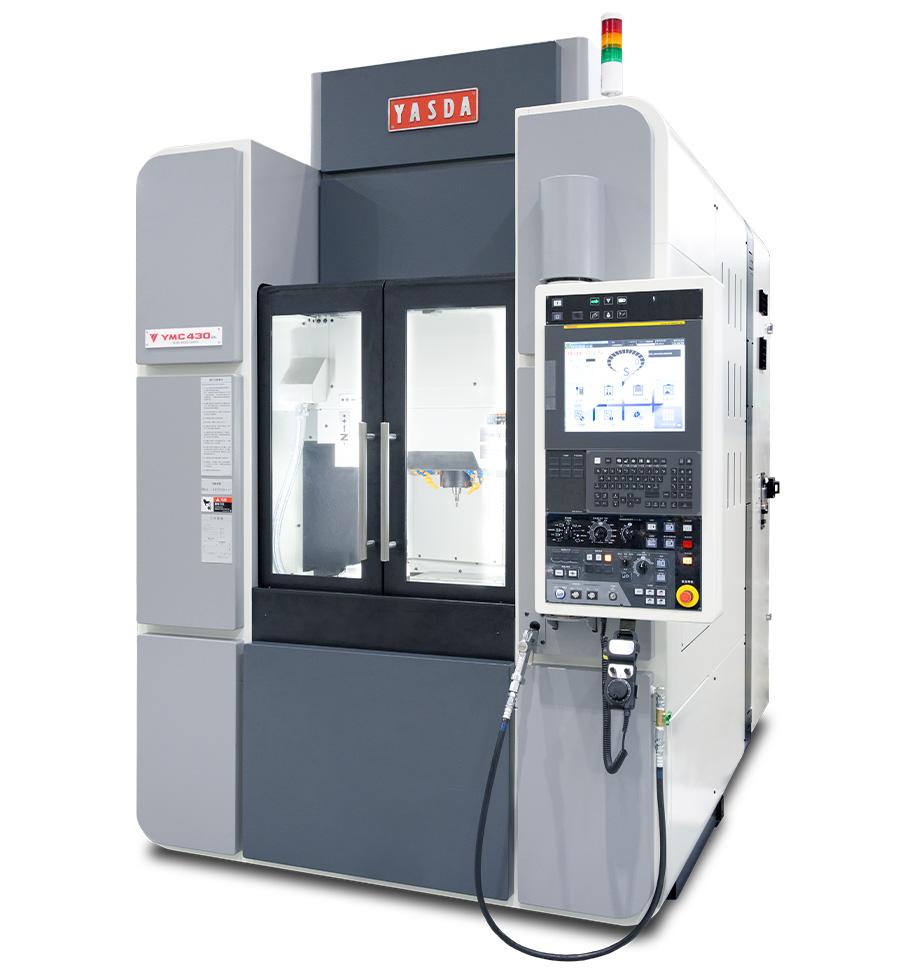
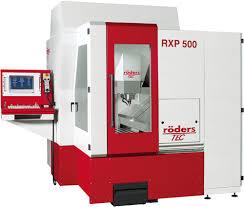
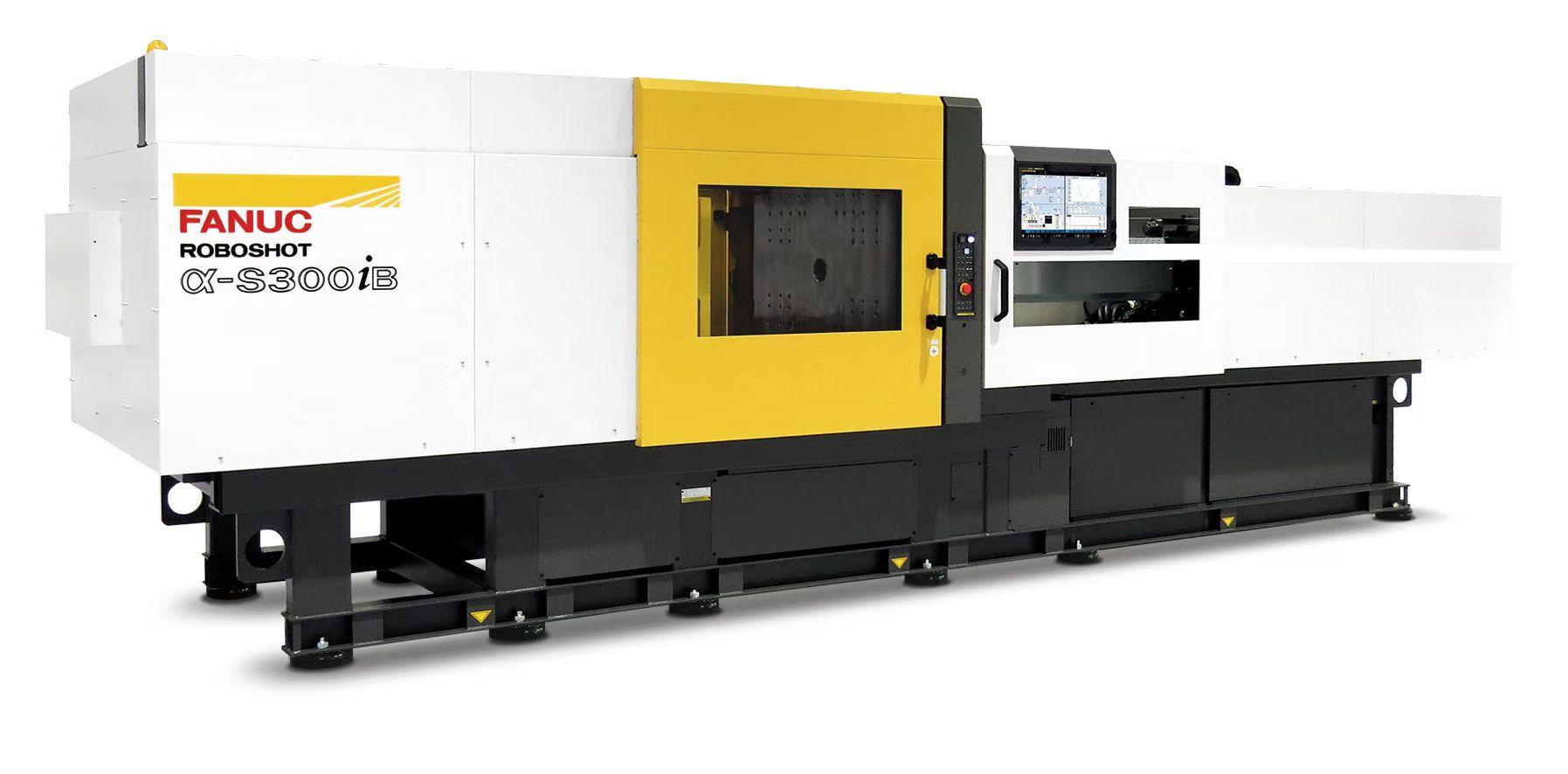
High-speed CNC machines from YASDA, RÖDERS, FANUC and MAZAK — the machining backbone behind mirror-polished, glass-like surfaces.
The machines and what each one doesEDM Processing
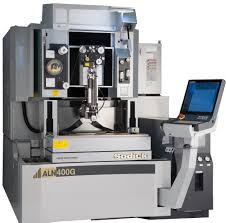
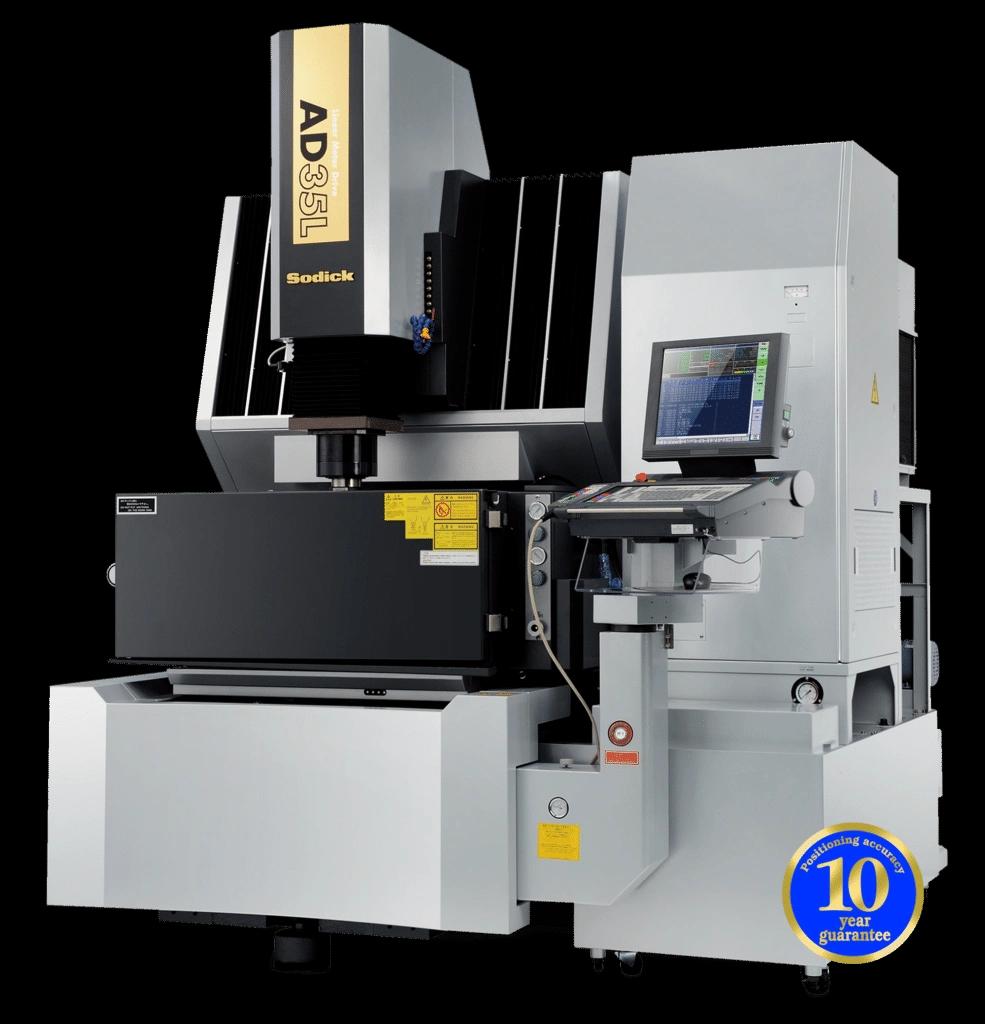
SODICK wire and sink EDM for complex geometries and tight tolerances — the fit precision behind parting lines you can neither see nor feel.
EDM and electrode designInjection Moulding
14 injection presses from 60 to 250 tonnes, all equipped with robots and automated unloading systems.
Production, assembly and packagingTrial & Testing
Every mould is trialled before shipment — in-house on our 60 to 250 tonne presses, and on partner presses from 90 to 3,300 tonnes for larger moulds.
Mould trials and acceptanceMulti-Cavity Specialization
Multi-cavity moulds are our core specialty, with beryllium-copper inserts and conformal cooling that have cut cycle times by 15–20% on high-cavitation closure tools.
Multi-cavity moulds in detailReverse Engineering
Advanced reverse engineering services to recreate or improve existing mould designs.
Confidentiality & NDA
All clients are protected by NDA agreements. Your product designs and mould information remain strictly confidential.
Confidentiality and data handlingKey Equipment
High-precision machinery for mould manufacturing
YASDA
High-Speed CNC
Japan
RÖDERS
High-Speed CNC
Germany
FANUC
CNC Machining Center
Japan
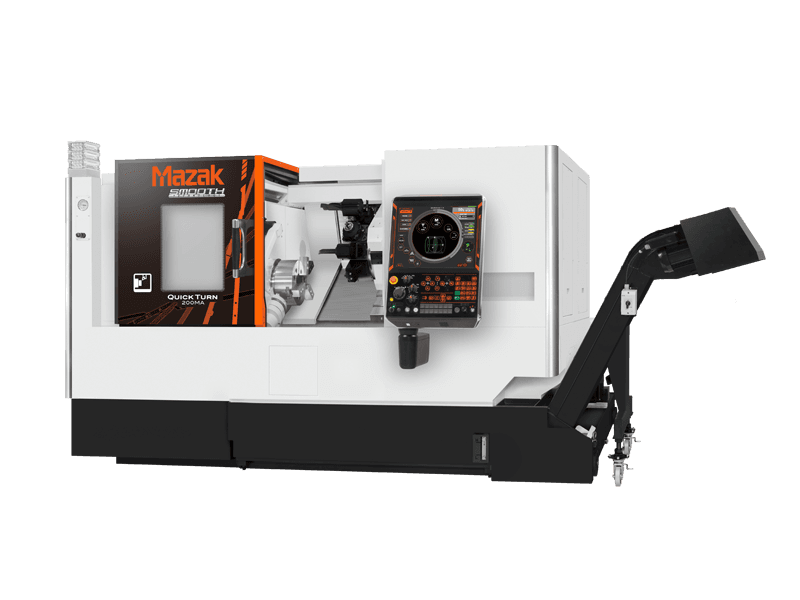
MAZAK
CNC Lathe
Japan
SODICK
Wire EDM / Sink EDM
Japan
14 Presses
60–250 Tonnes
All with robots
Measurement and documentation
Critical dimensions are verified on a Hexagon CMM to ±0.005 mm, and every mould is trialled before it ships. With each mould you receive the documents listed below.
Documents delivered with each mould
| DFM feedback | within 48 hours of receiving your 3D data |
|---|---|
| Mould-flow analysis | part of the mould design |
| Cooling report | delivered with the design: flow, Reynolds number, pressure drop and cavity-to-cavity temperature balance for every circuit |
| Full dimensional report | shipped with the mould |
| First-article samples | from the mould trial |
| Trial report | shipped with the mould |
How it is verified
- Every critical dimension is measured on a Hexagon coordinate measuring machine (CMM).
- Every CNC program and every electrode is checked in Siemens NX geometry (collision, rest material, in-process workpiece) before machining.
- Every mould is trialled before shipment: on our own 60–250 tonne presses, and larger moulds on partner presses from 90 to 3,300 tonnes.
Questions buyers ask about our capabilities
Short answers, each with a link to the page that explains it in detail.
Which machines do you use to make a mould?
High-speed milling on YASDA YBM 950V, YASDA YMC 430 and RÖDERS RXP 500, FANUC CNC machining, MAZAK QT200 CNC turning, SODICK ALN400 wire-cut EDM and SODICK AD35L sinker EDM. Critical dimensions are verified on a Hexagon CMM to ±0.005 mm.
The machines and what each one doesHow do you decide what is milled and what is made by EDM?
We mill first and use EDM only where a cutter cannot reach, which keeps the number of electrodes low. Electrodes are designed with our own in-house AI system — in use on our mould projects — and every electrode is reviewed by an engineer and verified in Siemens NX before it reaches a machine.
EDM and electrode designWhat do we receive before steel is cut?
DFM feedback within 48 hours of receiving your 3D data, a mould-flow analysis as part of the mould design, and a cooling report with flow, Reynolds number, pressure drop and cavity-to-cavity temperature balance for every circuit.
Mould design, DFM and mould-flow analysisHow is a mould checked before it ships?
Every mould is trialled before shipment — in-house on our own 60–250 tonne presses, larger moulds on partner presses from 90 to 3,300 tonnes — and ships with a full dimensional report, first-article samples and a trial report.
Mould trials and acceptanceDo you also run the injection moulding production?
Yes: 14 injection presses from 60 to 250 tonnes, all with robots and conveyors, in small and large series, plus product assembly, packaging and shipping. Our ISO 9001:2015 certificate covers mould production and, for plastic products, plastic accessories for sports goods and household appliances.
Injection moulding production and assemblyHow long does a mould take?
Standard multi-cavity moulds ship in 4–6 weeks from DFM approval. For large or complex moulds the lead time is confirmed in the quotation.
Lead time and project processWhich hot runner systems and mould base standards do you work with?
Hot runner systems from Husky, Mold-Masters, Synventive, YUDO and Incoe; mould bases to LKM, DME, HASCO, Meusburger and Misumi standards.
Hot runner moulds and gate typesHow is our data protected?
We sign an NDA before any drawings or 3D data are exchanged. Our engineering AI system runs offline on our own computers inside the factory. The chat assistant and the AI-assisted quote tools on this website are separate from it and use external AI services.
Confidentiality and data handlingProduction Workflow
Design & Engineering
CNC / EDM Machining
Mould Assembly
Trial & Testing
Injection Production
QC & Delivery